Provided by Landscape Forms
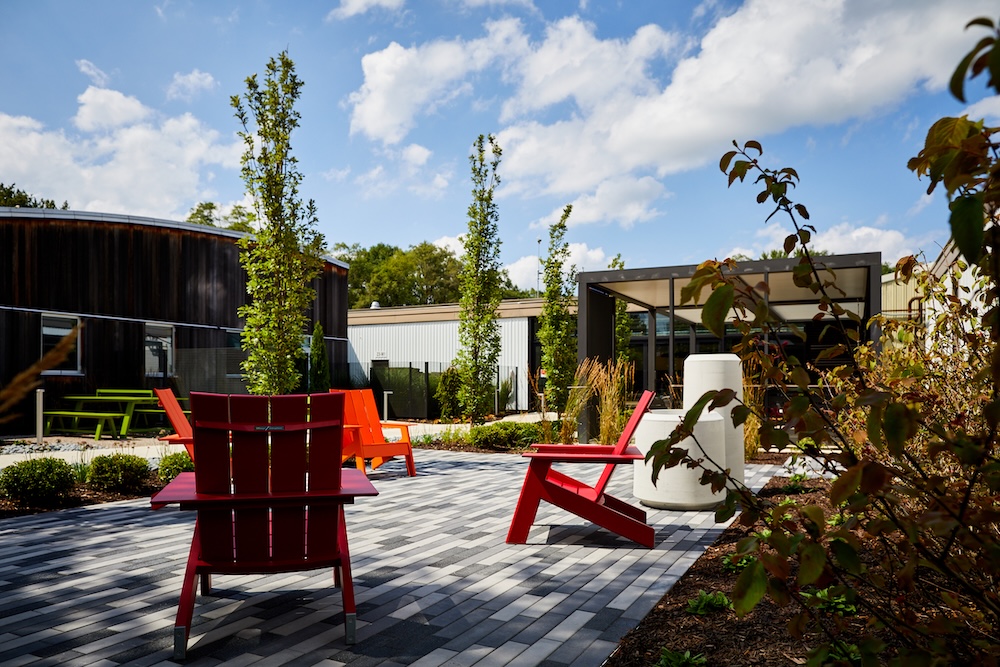
Design and durability as operational priorities
Facility managers face a unique challenge: every choice under their watch must strike the right balance between cost, durability and performance. The products they specify aren’t just checks on a list — they’re commitments that shape the daily experience of spaces, influence how people use them and determine how well those environments endure over time.
Manufacturers committed to U.S. craft production, high design and sustainable operation provide facility managers with the confidence that their investments will perform for decades. By prioritizing longevity, ease of care and thoughtful design, these companies align with both short-term operational needs and long-term stewardship of spaces, helping facilities operate more smoothly, effectively and beautifully.
The value of U.S. manufacturing
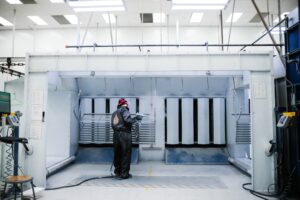
U.S. manufacturing offers facility managers significant practical advantages. Domestic production supports reliable delivery schedules, a critical factor in projects where delays can be costly. Proximity to design and production teams strengthens quality control and ensures consistent performance standards. Just as importantly, U.S.-based partners are able to respond quickly when service, replacement or customization is required.
For many organizations, domestic production also supports compliance with Buy America Act (BAA) and Build America, Buy America (BABA) requirements. Products manufactured in the United States help facility managers meet these evolving procurement standards while reinforcing their commitments to local economies.
Together, these advantages mean products not only meet expectations at installation but continue to deliver value, simplify facility management and improve long-term performance.
Craftsmanship and high design
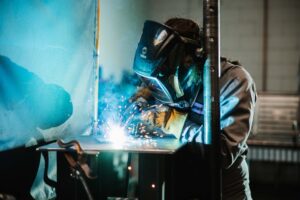
High design and durability need not be mutually exclusive. In fact, thoughtful design often enhances durability by anticipating how products will be used and maintained over time.
Kalamazoo-based Landscape Forms, for example, has built its reputation on outdoor site furnishings and lighting solutions that balance expert craft, elevated aesthetics and innovative functionality. Every piece is designed with user experience in mind — ensuring outdoor spaces and their furnishings are not only attractive but also intuitive, comfortable and adaptable. Handcrafted attention to fit and finish further reinforces durability, allowing products to withstand the rigors of daily use in demanding, high-traffic public and private environments.
Innovative solutions in practice: The Parallel 42 bench system
Designed by Landscape Forms, the Parallel 42 bench system illustrates how innovative modular site furnishings can meet the evolving needs of modern facility managers. Its flexible geometry — offered in a variety of straight and angled modules — allows spaces to be shaped for a wide range of uses, from quiet reflection to group collaboration. Terraced bench modules add another dimension, creating seating at multiple levels that supports everything from casual conversations to lively group gatherings. Together, these elements allow facility managers to create multifaceted settings that adapt to diverse user needs while maintaining a cohesive visual identity across a facility.
Beyond functionality, Parallel 42 makes strides to promote the social and emotional well-being of the people it serves. By offering varied seating postures and configurations, it fosters natural interaction, whether for conversation, small team meetings or individual pause. The system helps transform outdoor and transitional areas into destinations that support connection, comfort and health.
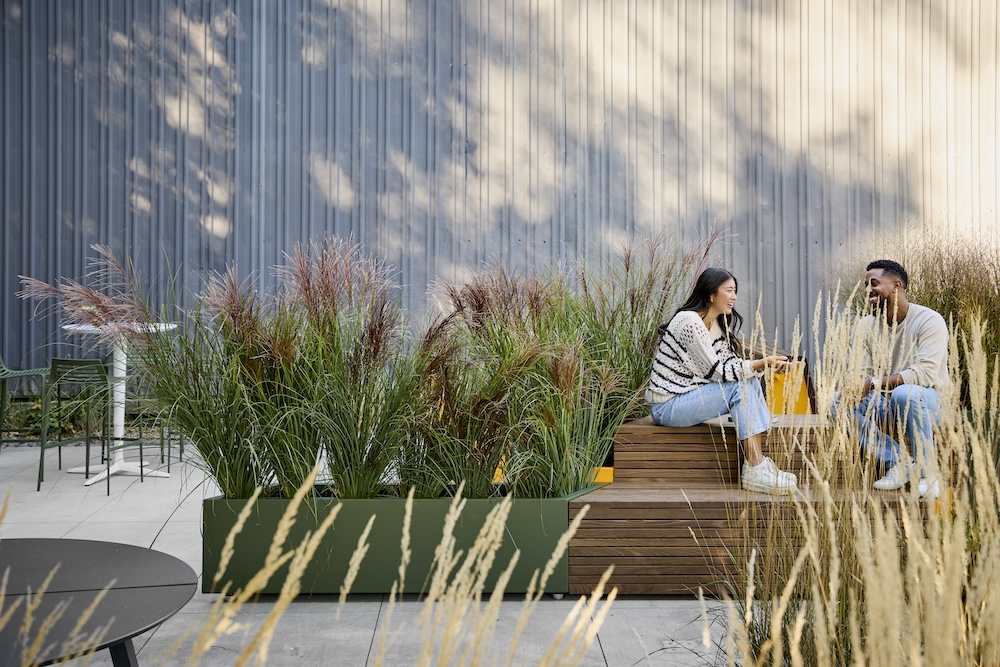
The recent addition of planter modules to Parallel 42 brings the benefits of greenery and biophilic design directly into these environments. Integrating plantings into seating layouts not only softens the built environment but has been shown to reduce stress, improve mood and enhance cognitive performance. For facility managers, the result is a system that delivers wellness benefits while also simplifying design and maintenance through a cohesive, unified solution.
Because Parallel 42 is domestically manufactured with industry-leading materials — powdercoated carbon steel and naturally weathering exterior wood — it is well-suited to high-use outdoor spaces. And because modularity allows environments to be adapted or expanded over time, it provides a practical long-term investment by minimizing the need for wholesale redesign.
Sustainability through longevity
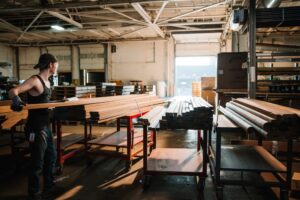
When it comes to sustainability, one of the most effective yet sometimes overlooked strategies is designing for long life. Products that last longer reduce the frequency of replacement cycles, minimizing waste and lowering the total environmental impact over time.
High-quality materials, weather- and use-resistant finishes and robust construction ensure furnishings remain functional and attractive for years — often decades — beyond their initial installation. For facility managers, this represents a practical sustainability solution: fewer disruptions, fewer disposal challenges and better alignment with institutional environmental goals.
Sustainability is also advanced through the selection of innovative, responsibly sourced materials, thoughtful manufacturing processes and designs that allow furnishings to be reconfigured or repurposed as facility needs evolve. In this way, sustainability is not treated as an added feature but is an integral and carefully considered concept across a product’s entire life cycle.
Implications for facility managers
Investing in products that combine high design, U.S. craft manufacturing and long-term durability reduces operational challenges while supporting sustainability and user satisfaction. The benefits extend from lowering the total cost of ownership through fewer replacements and reduced maintenance, to ensuring consistency across spaces and creating environments that remain welcoming and relevant as facilities evolve.
Durable, design-forward outdoor site furnishings also enhance the user experience, offering comfort, functionality and connection to nature in equal measure. At the same time, their longevity and adaptability ensure that they support broader sustainability goals in ways that are tangible and lasting.
Crafting for the long view
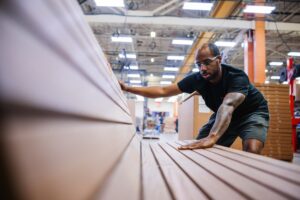
In the world of facility management, decisions made today echo across decades of use. Choosing furnishings that are handcrafted, domestically made and designed with durability in mind helps ensure that spaces remain both beautiful and functional for years to come.
By emphasizing design integrity, sustainability through longevity and the practical benefits of U.S. manufacturing — including compliance with BAA and BABA requirements — companies like Landscape Forms demonstrate that high design and high performance are not competing priorities but complementary ones.
For facility managers, this approach offers confidence that every investment made today not only simplifies management but also improves long-term performance of the environments in which they take pride.