

Water scarcity is rapidly emerging as one of the most urgent global environmental challenges. Even though over 70 percent of our planet is covered by water, less than 1 percent is fresh, clean and easily accessible for human use. This limited supply must meet the needs of billions of people, industries and ecosystems. According to United Nations and World Health Organization reports, more than 2 billion people are already living with inadequate access to safe water. Projections show that by 2030, nearly half of the global population could face severe water stress due to rising demand and decreasing availability.
Several factors are driving this crisis. Climate change is altering rainfall patterns, causing prolonged droughts in some areas and intense flooding in others, which affect the reliability of water sources. Rapid urban growth is placing pressure on outdated water infrastructure, while rising populations and industrial expansion are increasing the overall demand for water in cities, factories and farms. As freshwater becomes more strained, the consequences extend beyond households. Commercial buildings, public institutions and workplaces that depend heavily on water for daily operations such as cleaning, cooling, landscaping and hygiene are also at significant risk.
Act now or pay later
Without proactive measures, water scarcity will raise operational costs, cause service disruptions and challenge global sustainability targets. Should businesses, governments and communities not act to conserve water and use it more wisely, the world may face a future in which even basic water needs become difficult to meet. This growing problem calls for urgent action, smarter water management and a collective commitment to preserve one of the planet’s most vital resources.
Workplaces within the commercial and institutional sectors are typically dependent on a consistent and substantial water supply to support a range of daily functions. From ensuring sanitary conditions and regulating indoor temperatures to carrying out routine cleaning and nurturing landscaped surroundings, water plays a foundational role in the smooth operation of these facilities. Despite this reliance, a significant portion of this water is unintentionally wasted. Inefficiency often stems from aging infrastructure, unoptimized plumbing, outdated equipment, and a general lack of employee or managerial awareness regarding water conservation. Often, these problems remain unnoticed until they escalate into substantial financial or operational burdens.
One of the most overlooked contributors to excess consumption is hidden leakage — dripping faucets, silent toilet tank seepage or undetected pipe wear can quietly waste thousands of liters over time. Studies indicate that simply identifying and repairing these leaks can reduce total water use by approximately 20 percent. These repairs are not only affordable but typically recoup their expense through lowered water bills in a short span.
Additionally, by upgrading to modern, water-efficient fixtures such as motion-activated taps, aerated nozzles and dual-flush toilet systems, organizations can dramatically cut their water consumption. Depending on user habits and the nature of the installation, such upgrades have demonstrated water savings ranging from one-third to nearly two-thirds, without compromising functionality or user comfort. These improvements contribute to operational sustainability and align institutions with broader environmental goals and regulatory frameworks.
Solutions abound
Some of the world’s leading corporations and infrastructure projects are taking decisive steps to curb their water footprints.
- Google has adopted artificial intelligence systems to manage irrigation on its California (U.S.) campus, reducing water use by millions of gallons annually.
- IBM has incorporated rainwater harvesting and wastewater reuse across several of its sites in India, achieving reductions in their consumption of clean water by approximately 70 percent.
- During the development of Dubai Expo 2020, sophisticated monitoring systems and a strategy of reuse allowed for considerable water savings, especially in landscaping where treated wastewater was used extensively.
- In Saudi Arabia, futuristic urban developments such as NEOM are designed with complete circular water systems, ensuring that nearly all water is recycled and discharge into the environment is minimized or avoided entirely.
- In the UAE, the Estidama Pearl Rating System is setting new benchmarks for water and resource efficiency, particularly in buildings.
- Singapore’s NEWater initiative treats and recycles wastewater to drinking standards, contributing to more than 40 percent of the nation’s total water demand.
- In Cape Town, South Africa, water-efficient design in government and commercial buildings became mandatory after the city’s Day Zero crisis, driving innovations in low-flow fixtures and water budgeting.
- In Australia, major commercial properties are implementing smart metering and behavioral nudges for tenants, resulting in a significant reduction in indoor and outdoor water use.
- Companies in the fast fashion sector, such as Levi’s, are now using Water<Less™ technologies that reduce water usage by up to 96 percent during denim finishing.
These examples reflect a global movement toward more sustainable facility design and operations, wherein technology, behavioral change and circular systems are reshaping how organizations manage their water consumption.
Although high-tech solutions offer substantial long-term benefits, many effective strategies are simple and affordable. Addressing slow drips, running toilets or poorly maintained irrigation can have a noticeable impact. Global studies have shown that awareness alone through signs in kitchens and restrooms reminding users to turn off taps can lead to reductions of up to 40 percent in shared water use. Tools like smart meters and automated usage alerts are giving FMs more control and insight, leading to faster responses and better planning. In various case studies, such tools have helped organizations reduce overall water consumption by 15 to 20 percent without major investments in infrastructure.
Reuse in water management
Some of the most impactful measures involve the reuse of non-potable water. Greywater, collected from handwashing basins or air-conditioning systems, can be redirected for toilet flushing or landscaping. This practice reduces the burden on fresh water supplies and is common in green-certified buildings.
In areas with irregular rainfall, collecting rainwater is another efficient method to supplement irrigation or cleaning water needs. In outdoor spaces, switching from conventional lawns to low-water-use plants, such as desert species or native vegetation, dramatically reduces the need for watering. Likewise, updating irrigation systems to respond to soil moisture and weather conditions ensures water is only used when necessary.
Water management as a culture
The shift toward efficient water management extends beyond just technical solutions. Organizational culture plays a critical role. By involving staff through education campaigns, workshops and small behavioral nudges, companies create a sense of shared responsibility. Promoting team competitions or giving recognition to departments that save the most water adds a layer of engagement that reinforces sustainable habits. Over time, these human-centric interventions can lead to lasting changes in behavior that complement the physical upgrades to facilities.
Developing a structured approach to water conservation helps embed these values into an organization’s operating system. This includes setting measurable targets, assigning roles for monitoring and incorporating efficiency into procurement standards. Frameworks like ISO 14001 encourage this kind of strategic planning, where water use is monitored regularly and integrated into broader environmental goals. Certification systems such as LEED and Estidama not only provide guidelines but offer incentives and recognition to organizations that meet or exceed benchmarks in water efficiency. Many buildings now opt for these certifications, not just for prestige but because they result in measurable cost savings and resilience.
Within the Middle East and North Africa, the urgency of conserving water is particularly acute due to the arid climate. Cities such as Abu Dhabi have implemented aggressive conservation measures, requiring new buildings to achieve up to 37 percent reductions in indoor water use from earlier baselines. Public utilities are investing in technologies that detect underground leaks, monitor daily usage and prevent wastage. Large-scale real estate projects across the Persian Gulf are being designed with the intention of capturing, treating and reusing all available water reducing dependency on desalination plants and minimizing discharge.
Addressing a dire need
Water scarcity is a daily struggle in many developing countries, particularly in South Asia. In India, millions of people lack access to safe drinking water, with women in rural Rajasthan walking 4 to 5 kilometers every day to collect water. A 2019 report by NITI Aayog warned that 21 Indian cities, including Delhi and Bengaluru, could run out of groundwater by 2030.
In Pakistan, the situation is equally dire: residents of drought-prone areas like Tharparkar walk up to 10 kilometers to fetch water from contaminated sources, while the country’s per capita water availability has dropped from 5,260 cubic meters in 1951 to under 1,000 today.
In Nepal, despite abundant natural water sources, lack of infrastructure means that people in hilly areas still carry heavy containers of water uphill for hours. Even in Kathmandu, groundwater levels are rapidly declining due to over-extraction and climate change. These examples reflect the harsh reality of water scarcity and highlight the urgent need for efficient water management systems, reuse practices and sustainable infrastructure solutions across the developing world.
Tipping the scales for good
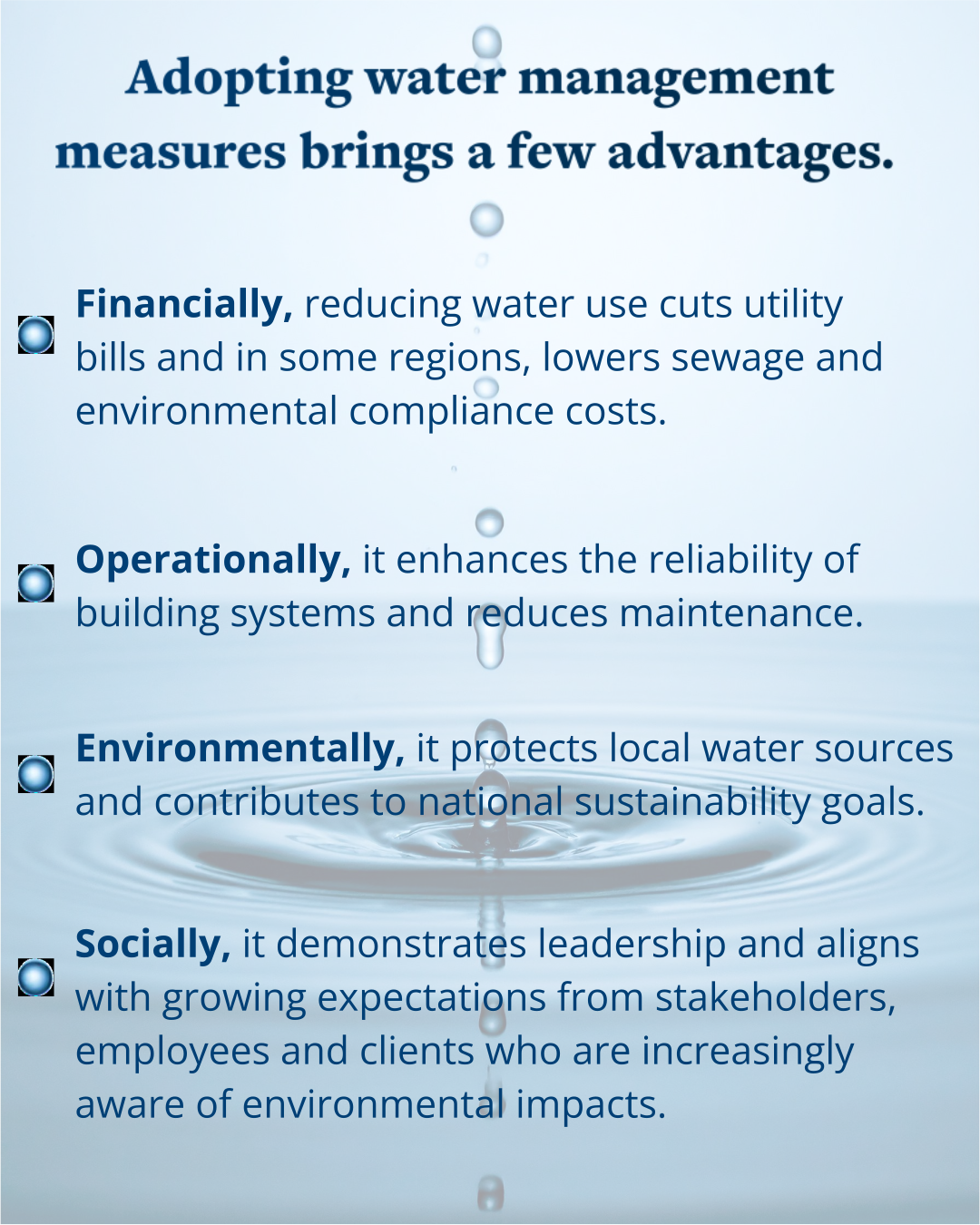
The return on investment from water-saving strategies is often favorable.
Facility upgrades like aerators, smart valves and leak detectors have short payback periods. Recycled water systems or weather-based irrigation controls may require upfront capital, but they frequently pay for themselves in just a few years. Moreover, the risk reduction benefits, particularly in regions prone to drought or infrastructure limitations, can far outweigh initial costs.
Many organizations start with simple improvements and scale upward. Some begin by auditing current water use, setting baseline figures and identifying which areas consume the most: restrooms, kitchens, landscaping or HVAC systems. This audit helps prioritize actions, such as replacing old equipment or identifying leaks.
Others launch staff awareness programs first, creating a foundation of behavioral change that later supports investments in infrastructure. The most successful organizations often do both: addressing technical and human factors simultaneously.
For organizations just beginning their water conservation journey, several steps are universally beneficial.
- Understand how and where water is used across the premises.
- Create a plan that includes specific, measurable goals and assigns clear responsibilities.
- Evaluate opportunities to switch to water-saving devices, reuse water where practical and eliminate inefficiencies.
- Check and service all water-related systems.
- Most importantly, involve the team because meaningful change comes not just from systems, but from people who use them responsibly.
This collective action benefits not only the organization but also the wider community. In regions like the Middle East, efficient water use supports national priorities and helps prepare for future shortages. In other parts of the world, it helps reduce the carbon footprint associated with water treatment and pumping. Whether in a desert city or a coastal technological campus, saving water is a contribution to long-term ecological balance and social equity.
Conclusion
Water conservation is more than a technical challenge; it is a cultural, economic and environmental responsibility. Simple behavioral changes, combined with smart technologies and sustainable infrastructure, can significantly reduce water waste in office environments.
From international corporations to small regional offices, there is a growing recognition that efficient water use leads to cost savings, operational resilience and long-term ecological benefits. For water-stressed regions like South Asia and the Middle East, workplace water conservation is no longer optional. It is essential. Moving forward, it is the collective action of every employee, manager and facility operator that will drive real, measurable change. By embedding water efficiency into everyday operations and decision-making, organizations can lead the way toward a more sustainable, secure water future for all.